Digital Marketing Strategy for SMEs | Swastixa Digital
Learn how Indian SMEs can build a complete 360° digital marketing strategy on a limited budget. Practical steps, tools, and proven tactics inside.

How Indian SMEs Can Build a 360° Digital Marketing Strategy With Limited Budget
Running a small or medium business in India today means competing with brands that have bigger budgets, larger teams, and years of digital experience. But here's the truth: you don't need a massive budget to build a strong online presence.
What you need is a 360° digital marketing strategy — a complete, connected approach that covers all the right channels without wasting money on tactics that don't work for your business type.
In this guide, we'll walk you through a practical, step-by-step roadmap to build your digital marketing strategy from scratch. Whether you're a local service provider, a B2B supplier, or a retail business, these steps will help you get real results without burning through your budget.
Why Most SMEs Struggle With Digital Marketing (And What Changes in 2025)
Most small businesses jump into digital marketing without a plan. They try a bit of social media, maybe run a few ads, and hope something sticks. The result? Inconsistent posting, scattered efforts, and little to show for the money spent.
Here's what's changing in 2025. Customers expect businesses to be findable, credible, and responsive across multiple touchpoints. They search on Google, check your Instagram, read reviews, and compare options before making a decision.
If your brand isn't showing up at every stage of that journey, you're losing customers to competitors who are. The good news? You don't need to be everywhere at once. You just need to be smart about where you show up and how you connect those dots.
What Does a 360° Digital Marketing Strategy Actually Mean?
A 360° strategy means your business is visible and consistent across all the digital channels that matter to your customers. It's not about doing everything — it's about doing the right things in a way that supports each other.
The 5 Core Pillars Every SME Needs
- 1. A High-Converting Website — Your digital storefront and primary lead capture tool.
- 2. Search Engine Visibility (SEO) — So customers can find you when they search for what you offer.
- 3. Social Media Presence — To build trust, engage audiences, and stay top-of-mind.
- 4. Paid Advertising — For fast, targeted reach when organic efforts need a boost..
- 5. Content & Messaging — Clear, helpful content that educates and converts at every stage.
When these five pillars work together, every rupee you spend on marketing delivers better results. Your ads drive traffic to an optimized website. Your SEO brings organic leads. Your social media builds trust that closes deals.
Step 1 – Define Your Business Goals and Target Audience
Before spending a single rupee on ads or content, answer two questions:
- 1. What do you want to achieve? (More leads? Brand awareness? Direct sales?)
- 2. Who are you trying to reach? ? (Business owners? Homeowners? Corporate buyers?)
Too many SMEs skip this step and end up speaking to everyone, which means they connect with no one.
Quick Exercise: The One-Page Customer Avatar
Take 10 minutes and write down:
- • Age range and location of your ideal customer
- • Main problem they're trying to solve
- • Where they spend time online (Facebook groups? LinkedIn? Google searches?)
- • What objections or doubts they have before buying
This simple exercise will guide every piece of content you create and every ad you run. If you're not sure where to start, look at your best existing customers and describe them.

Step 2 – Build Your Digital Foundation (Website + Social Presence)
You can't build a digital strategy without a solid foundation. That means having a website that works and a social presence where your customers actually are.
Website Essentials Checklist
Your website doesn't need to be fancy, but it must be:
- Facebook & Instagram Best for B2C, local services, retail, hospitality.
- LinkedIn Essential for B2B, professional services, corporate clients.
- YouTube Powerful if you can create helpful how-to or explainer content.
- Mobile-friendly — Over 70% of Indian users browse on mobile
- Fast-loading — Slow sites lose visitors in seconds
- Clear on what you do — Visitors should understand your offer within 5 seconds
- Easy to contact — Phone number, WhatsApp button, and contact form visible on every page
- Optimized for local search — Include your city, services, and business name clearly
If your current website fails any of these checks, fixing it should be priority one. A poor website wastes every rupee you spend driving traffic to it. For more on what makes a high-converting website, check out our guide on what service businesses need to get right.
Start with one platform, post consistently for 90 days, and expand only after you've built momentum. For a complete playbook on managing social media as a local business, read our what service businesses need to get righ
Choosing the Right Social Platforms
You don't need to be on every platform. Pick 1–2 where your audience actually spends time:
- Facebook & Instagram Best for B2C, local services, retail, hospitality.
- LinkedIn Essential for B2B, professional services, corporate clients.
- YouTube Powerful if you can create helpful how-to or explainer content.
- What objections or doubts they have before buying
Start with one platform, post consistently for 90 days, and expand only after you've built momentum. For a complete playbook on managing social media as a local business, read our Social Media Management Playbook for Local Businesses.
Step 3 – Create a Content Plan That Works Without a Big Team
Content is how you attract, educate, and convert your audience. But most SMEs either post randomly or burn out trying to create too much, too fast.
The solution? A simple, repeatable content framework.
The 70-20-10 Content Rule
- 70% Educational/Helpful — Best for B2C, local services, retail, hospitality.
- 20% Engagement/Brand — 20% Engagement/Brand — Behind-the-scenes, team stories, customer wins
- 10% Promotional — 10% Promotional — Direct offers, discounts, CTAs to buy or inquire
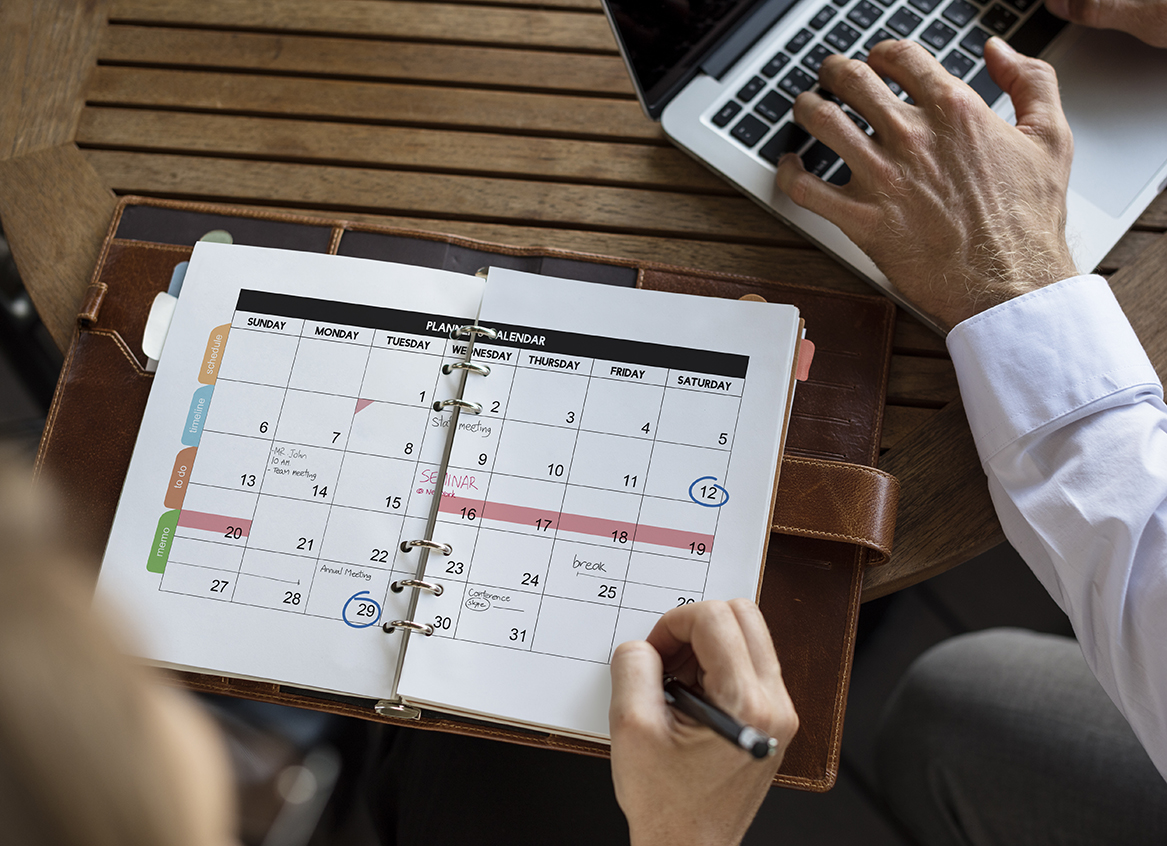
This keeps your feed valuable without feeling like a constant sales pitch. Plan 30 days of content in one sitting using this rule, and you'll never scramble for post ideas again.
Want to go deeper? Check out our guide on how to plan a full month of high-engagement posts in just 2 hours.
Step 4 – Drive Traffic Using SEO and Paid Ads (Budget-Smart Approach)
Once your foundation is set and you're posting content, it's time to drive traffic. You have two main levers: organic (SEO) and paid (ads).
Local SEO Quick Wins
Local SEO is the fastest way for service-based SMEs to get found by nearby customers. Start with:
- Claim and optimize your Google Business Profile — Add photos, hours, services, and ask happy customers for reviews.
- Use location keywords on your website — Interior designer in Pune or AC repair service in Bangalore.
- Get listed in local directories — JustDial, Sulekha, industry-specific platforms.
- What objections or doubts — they have before buying
These steps cost nothing and can start bringing leads within weeks. For a deeper dive into ranking locally, read our complete guide on Local SEO for Service Providers.
Before hiring an agency or trying advanced tactics, make sure you understand the basics. Our guide on On-Page SEO Basics breaks down what every business owner should know.
When to Start With Paid Ads
Paid ads (Google Ads, Facebook/Instagram Ads) give you instant visibility, but they only work if your foundation is ready. Don't run ads if:
- Your website is slow or unclear
- You don't have a way to capture leads (form, WhatsApp, phone)
- You haven't tested your messaging with organic content first
When you're ready, start small. A ₹10,000–₹15,000 monthly budget is enough to test one platform and learn what works. Focus on one objective (leads or calls), track everything, and scale what performs.
Many SMEs waste money on ads by making avoidable mistakes. To see what those are and how to fix them, check out our breakdown of 7 Common Mistakes Businesses Make in Paid Ads Campaigns
Step 5 – Measure, Learn, and Optimize
A strategy isn't complete without tracking results. You don't need complex dashboards — just three simple metrics tracked weekly.
3 Metrics Every SME Owner Should Track Weekly
- 1. Website Traffic — How many people visited your site? (Use Google Analytics — it's free.)
- 2. Lead/Inquiry Count — How many people contacted you via form, WhatsApp, or phone?
- 3. Cost Per Lead (if running ads) — Total ad spend ÷ number of leads received.
Set up a simple spreadsheet and log these numbers every Monday. After 4–6 weeks, you'll see patterns. Double down on what's working, cut what's not.
If a tactic isn't delivering results after 60 days of consistent effort, pivot. Digital marketing rewards those who test, learn, and adapt. To understand how to use data without a big team, explore our guide on Data-Driven Marketing for Small Brands

Real Example: How a Local Business Scaled With This Approach
Let's say you run a home cleaning service in Hyderabad. You have no digital presence, a basic website, and a ₹20,000 monthly marketing budget.
Here's how a 360° strategy would work:
- Month 1–2:
- Optimize your Google Business Profile and ask 10 existing customers for reviews.
- Post 3x per week on Instagram: cleaning tips, before/after photos, quick reels.
- Fix your website: add clear CTAs, mobile optimization, WhatsApp button.
- Month 2–3:
- Start a small Google Ads campaign targeting home cleaning service Hyderabad (₹12,000/month budget).
- Write 2 blog posts: How Often Should You Deep Clean Your Home? and Hiring a Cleaning Service: What to Look For.
- These posts rank for long-tail keywords and bring organic traffic.
- Month 5–6:
- Scale ads to ₹18,000/month as cost-per-lead improves.
- Launch a referral program promoted on social media.
- Track results: 40+ leads/month, ₹450 cost per lead, 25% conversion rate.
This isn't theory. Swastixa Digital has helped dozens of service businesses follow this exact roadmap and achieve measurable growth. See how we've done this for clients like yours here. [Add link of XYZ type work – Digital Strategy service page]
Conclusion
Building a 360° digital marketing strategy doesn't require a big agency budget or a full-time marketing team. What it requires is clarity, consistency, and a willingness to test and learn.
- Define your goals and audience clearly.
- Build a strong digital foundation (website + social presence).
- Create a simple, repeatable content plan.
- Drive traffic through local SEO and smart, small-budget ads.
- Measure weekly and optimize what works.
If you follow this roadmap for 90 days, you'll see real results — more visibility, more leads, and a marketing system that works for your business, not against it.
Ready to build your 360° strategy with expert support? Swastixa Digital helps Indian SMEs create and execute complete digital marketing plans tailored to their business goals and budgets. When you're ready to take the next step, learnhow to choose the right digital marketing partner choose-right-digital-marketing-partner or explore Swastixa's full-stack approachswastixa-full-stack-digital-marketing-approach}} to see how one team can handle strategy, content, ads, and production together. Let's talk about how we can accelerate your growth. [Add link to Contact page]
You May Also Like:
Frequently Asked Questions