SEO vs SCO: What Your Business Needs in 2025 | Swastixa Digital
Understand the difference between SEO and SCO (Search Content Optimization) and discover which approach delivers better results for your business in 2025.
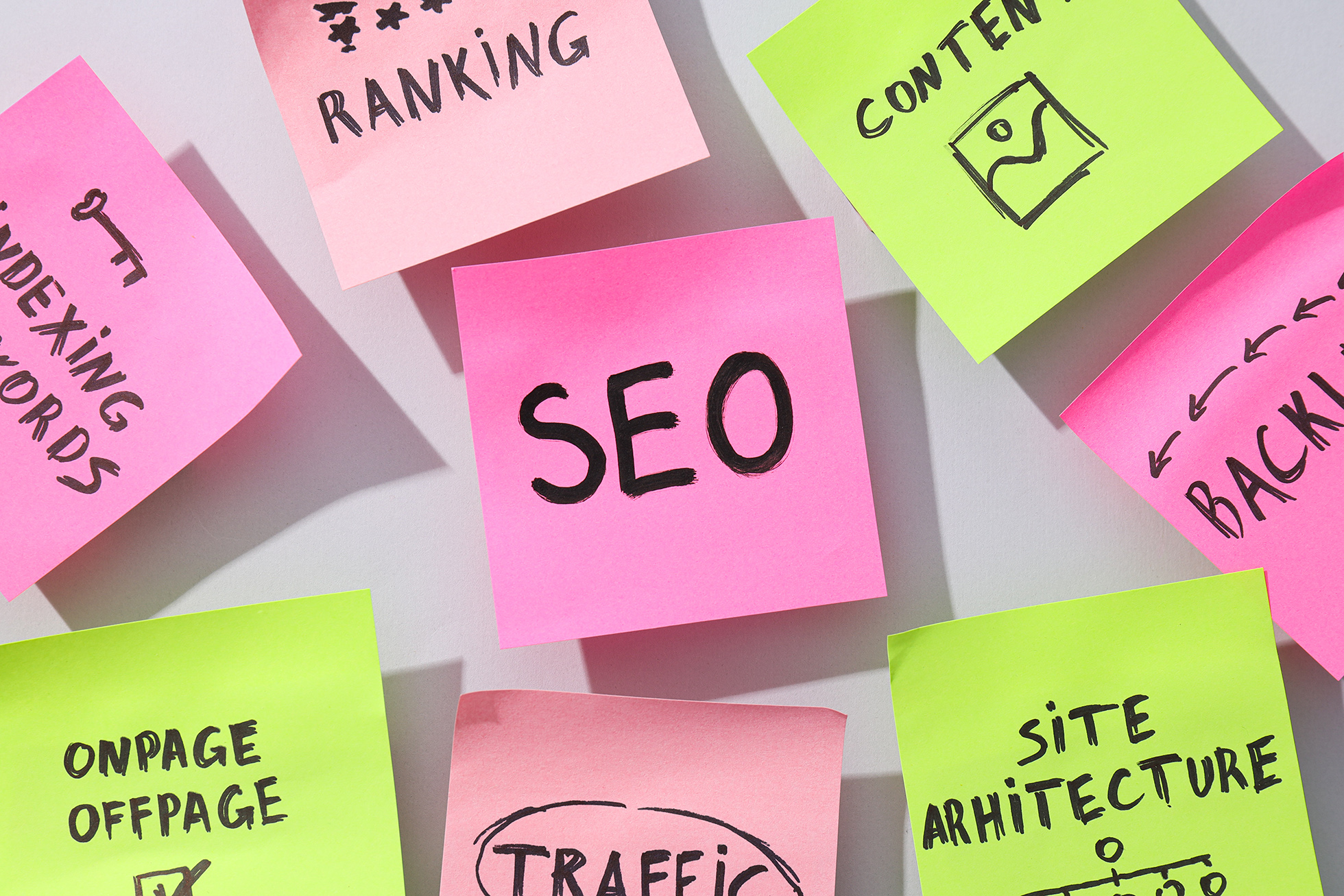
SEO vs SCO (Search Content Optimization): What Your Business Actually Needs in 2025
You've heard about SEO for years. Now agencies are talking about "SCO" or "Search Content Optimization" as if it's something completely different.
Is this just rebranding? A new buzzword to justify higher prices? Or is there actually a meaningful difference that affects your business results?
Here's the truth: the way Google evaluates and ranks content has fundamentally changed over the past two years. The old "SEO" playbook—keyword stuffing, backlink schemes, technical tricks—doesn't work anymore. Google's AI now evaluates content quality, user intent, and genuine helpfulness in ways that make traditional SEO tactics obsolete.
This is where Search Content Optimization (SCO) comes in. It's not a replacement for SEO—it's an evolution that prioritizes content that actually serves searchers instead of gaming algorithms.
In this guide, we'll break down the real differences between SEO and SCO, why this matters for your business, and which approach delivers better results in 2025's search landscape.
What Traditional SEO Looks Like (And Why It's Not Enough Anymore)
Let's start with what most people mean when they say "SEO."
Traditional SEO focuses on:
- Technical optimization – Site speed, mobile responsiveness, proper tags and structure
- Keyword targeting – Finding keywords with search volume and optimizing pages around them
- Link building – Getting other websites to link to yours to build authority
- On-page optimization – Title tags, meta descriptions, header tags with keywords
The traditional SEO process:
- 1. Research keywords with high search volume
- 2. Create pages targeting those keywords
- 3. Optimize all technical elements
- 4. Build backlinks to those pages
- 5. Hope Google ranks you
This worked great... until about 2022-2023.
Then Google rolled out major algorithm updates (Helpful Content Update, Core Updates, AI Overview integration) that fundamentally changed how content gets ranked.
What broke in traditional SEO:
- Problem 1: Keyword-optimized but thin content stopped ranking. Google started prioritizing depth and comprehensiveness over keyword density.
- Problem 2: Backlinks from low-quality sites became liabilities instead of assets. Google got smarter about detecting manipulative link schemes.
- Problem 3: Technical perfection with mediocre content went nowhere. A fast, mobile-optimized site with shallow content lost to slower sites with genuinely helpful information.
- Problem 4: AI-generated content designed to rank rather than help got penalized or buried.
Google's message became clear:n create content that genuinely helps searchers, or don't rank at all.
This is where Search Content Optimization enters the picture.
For foundational context on how SEO fits into broader strategy, revisit our guide on building a 360° digital marketing strategy .
What Search Content Optimization (SCO) Actually Means
SCO flips traditional SEO on its head. Instead of starting with keywords and building content around them, you start with searcher intent and create content that comprehensively answers their needs.
SCO focuses on:
- User intent understanding – What is the searcher actually trying to accomplish?
- Content depth and quality – Answering the question completely, not just surface-level
- Topical authority – Building expertise around subjects, not just individual keywords
- Engagement signals – – Creating content people actually read, share, and find valuable
- Structured content for AI – Formatting content so Google's AI can understand and feature it
- The SCO process:
- 1. Identify searcher problems and questions (not just keywords)
- 2. Research what information actually helps solve those problems
- 3. Create comprehensive content that covers the topic thoroughly
- 4. Structure content for both human readers and AI understanding
- 5. Measure engagement and refine based on what users actually find helpful
Key difference: SEO asks "How do I rank for this keyword?" SCO asks "How do I best answer this question?"
The Core Differences: SEO vs SCO
Let's break down the specific differences in approach:
Keyword Focus vs Topic Focus
Traditional SEO approach:
- Target keyword: "best interior designer Mumbai"
- Create page: Optimize for exact keyword, use it 15 times, get it in title/headers
SCO approach:
- Searcher intent: Person wants to find and evaluate interior designers in Mumbai
- Create content: Comprehensive guide covering how to choose a designer, questions to ask, portfolio evaluation, budget expectations, local considerations, red flags to avoid
The SCO content naturally includes the target keyword but goes far beyond just ranking for it—it actually helps the searcher make a decision.
Quantity vs Depth
Traditional SEO approach:
- Create: 50 thin blog posts targeting 50 different keywords (500-800 words each)
SCO approach:
- Create: 10 comprehensive guides that deeply cover topics (1,500-2,500 words each), naturally targeting dozens of related keywords within each piece
The SCO content ranks for MORE keywords total while requiring less content to create.
Link Building vs Link Earning
Traditional SEO approach:
- Approach: Actively pursue backlinks through outreach, guest posting, directory submissions, link exchanges
SCO approach:
- Approach: Create content so valuable that people naturally link to it, reference it, and share it—links earned through genuine value
Both approaches recognize link importance, but SCO makes link-earning a byproduct of quality rather than a separate tactic.
Technical Perfection vs User Experience
Traditional SEO approach:
- Focus: Obsess over technical details: schema markup, canonical tags, XML sitemaps, robots.txt optimization
SCO approach:
- Focus: Ensure technical basics work properly, then focus on content readability, scannability, mobile experience, page speed that supports user experience
Technical SEO still matters in SCO—but it's a foundation, not the strategy.

Why Google's AI Changes Everything
The biggest driver of the SEO-to-SCO shift is Google's integration of AI into search results.
Google's AI Overviews now appear at the top of many search results, providing direct answers synthesized from multiple sources. This changes the game completely.
What this means:
- For traditional SEO: Ranking #1 doesn't guarantee clicks anymore. If the AI overview answers the question, users don't need to click.
- For SCO: Content that's comprehensive, well-structured, and genuinely helpful gets featured IN the AI overview—driving authority even without clicks.
Example search: "how to choose interior designer"
- Traditional SEO result: Ranks #3, gets some clicks, basic 600-word article
- SCO result: Comprehensive guide that Google's AI pulls from to create its overview, cited as source, builds authority even when not clicked
The future of search isn't just about ranking—it's about being the authoritative source Google's AI trusts and references.
Which Approach Your Business Actually Needs
Here's the honest answer: you need both, but the balance depends on your business model and current situation.
You Need Traditional SEO Focus If:
- • Your website has serious technical issues (slow speed, mobile problems, indexing errors)
- • You're in an industry with straightforward, transactional searches ("AC repair Bangalore")
- • You have zero online presence and need quick visibility
- • Your competitors have weak SEO and you can win with basics
- • You're targeting local searches where Google Business Profile + basic optimization wins
Traditional SEO still works for: Local service businesses, straightforward service searches, low-competition keywords
You Need SCO Focus If:
- • You're in a competitive industry where everyone has good basic SEO
- • Your business requires trust and education before purchase (B2B services, high-ticket items)
- • You want to build long-term authority, not just temporary rankings
- • Your customers need detailed information before making decisions
- • You're targeting informational searches ("how to choose," "what is," "best way to")
SCO works better for: Professional services, consultative selling, B2B businesses, competitive markets
You Need BOTH If:
- • You're building comprehensive digital presence (most businesses)
- • You have budget for ₹30,000+ monthly SEO investment
- • You're committed to 6-12 month timeline for results
- • You want both immediate visibility and long-term authority
The integrated approach: Fix technical SEO foundations (month 1-2), then shift focus to content depth and quality (month 3+).
For deeper understanding of technical foundations, review our guide on on-page SEO basics.
How to Implement SCO: Practical Steps
If you're convinced SCO is what you need, here's how to actually implement it:
Step 1: Map Searcher Journeys (Not Just Keywords)
Instead of keyword research, map customer questions through their journey:
- Awareness stage: "What is [problem]?" / "Why do I need [solution]?"
- Consideration stage: "How to choose [service]?" / "What to look for in [provider]?"
- Decision stage: "Best [service] in [location]" / "[Service] pricing and packages"
Create comprehensive content for each stage, not just decision-stage keywords.
Step 2: Create Topic Clusters, Not Isolated Pages
Build content around core topics with multiple supporting pieces:
- Core topic: Interior Design Services
- Cluster content: Complete guide to home interior design process
- • How to choose the right interior designer
- • Interior design budget planning guide
- • Latest interior design trends in India
- • Before/after case studies with detailed explanations
All pieces link to each other, building topical authority.
Step 3: Write for Humans First, Optimize for Google Second
- Traditional SEO: Write with keyword density in mind, awkward phrasing to hit targets
- SCO: Write naturally helpful content, then add strategic keywords where they fit
If including a keyword makes the sentence awkward—skip it. Natural, helpful writing ranks better than keyword-stuffed content now.
Step 4: Structure Content for AI Understanding
Help Google's AI understand and use your content:
- • Use clear headers that signal section topics
- • Answer questions directly and concisely (for featured snippets)
- • Include numbered lists and step-by-step processes
- • Add FAQ sections with direct question-answer format
- • Use tables and comparison charts where appropriate
This isn't "gaming" the algorithm—it's making your content genuinely more useful and easier to understand.
Step 5: Measure Engagement, Not Just Rankings
- Traditional SEO metrics: Keyword rankings, backlink count, domain authority
- SCO metrics: Time on page, scroll depth, bounce rate, social shares, returning visitors, conversion rate
If people aren't reading and engaging with your content, rankings don't matter. Google sees this too and will eventually drop you.
For insights on measuring what matters, check our post on data-driven marketing for small brands.

Real Example: SEO vs SCO Results
Client: B2B SaaS company offering project management software
Phase 1: Traditional SEO Approach (First 6 months)
What they did:
- • Created 40 blog posts targeting specific keywords (600-800 words each)
- • Built 50 backlinks through outreach
- • Optimized all technical elements perfectly
- • Targeted keywords like "project management software India," "best PM tools"
Results:
- • Ranked for 15 keywords (positions 8-20, mostly page 2)
- • 400 monthly organic visitors
- • 8 demo requests from organic search (2% conversion)
- • High bounce rate (68%), low time on page (1:20 average)
Phase 2: Switched to SCO Approach (Next 6 months)
What they did:
- • Consolidated thin content into 10 comprehensive guides (2,000-3,000 words)
- • Created topic clusters around "project management," "team collaboration," "workflow optimization"
- • Added detailed case studies with specific results
- • Focused on answering "how to" and "what is" questions thoroughly
- • Structured content for featured snippets and AI overviews
Results:
- • Ranked for 60+ keywords (positions 1-10 for most)
- • 1,850 monthly organic visitors (4.6x increase)
- • 67 demo requests from organic search (3.6% conversion)
- • Bounce rate dropped to 42%, time on page increased to 4:15
- • Featured in Google AI overviews for 8 key searches
Same business, same budget, dramatically different results. The shift from keyword-focused to intent-focused content changed everything.
Common SCO Mistakes to Avoid
As businesses adopt SCO, we see these recurring mistakes:
Mistake 1: Creating Long Content for the Sake of Length
SCO isn't about word count—it's about comprehensiveness. A tight 1,200-word guide beats a rambling 3,000-word post with fluff.
Mistake 2: Ignoring Basic Technical SEO
SCO doesn't mean abandoning technical fundamentals. Your site still needs to be fast, mobile-friendly, and properly structured.
Mistake 3: No Clear Calls to Action
Helpful content is great, but if you don't guide readers toward taking action with your business, you're just educating competitors' future customers.
Mistake 4: Writing Only for Your Industry (Not Your Customers)
SCO content should use language your customers use, not industry jargon only insiders understand.
Mistake 5: Expecting Overnight Results
SCO builds authority over time. Expect meaningful results in 4-6 months, not 4-6 weeks.
The Future: Integrated SEO + SCO Approach
The smartest businesses aren't choosing between SEO and SCO—they're integrating both:
- Month 1-2: Fix technical SEO foundations, optimize existing pages
- Month 3-4: Begin creating comprehensive, intent-focused content
- Month 5-6: Build topic clusters and internal linking
- Month 7-8: Earn natural links through quality content
- Month 9-12: Scale content production and expand topical authority
This integrated approach delivers:
- • Quick wins from technical optimization (month 2-3)
- • Growing organic traffic from content (month 4-6)
- • Compounding authority and rankings (month 7-12)
- • Sustainable long-term growth (month 12+)
For understanding how this fits into complete growth strategy, read our post on Swastixa's success blueprint.
Conclusion
SEO vs SCO isn't about choosing sides—it's about understanding that effective search optimization has evolved beyond keyword targeting and backlink building.
Traditional SEO still matters for:
- • Technical foundations
- • Local search optimization
- • Basic on-page elements
- • Transactional keyword targeting
SCO (Search Content Optimization) now drives:
- • Organic traffic growth
- • Featured snippet positions
- • AI overview citations
- • Long-term topical authority
- • Higher engagement and conversions
The businesses winning in search in 2025 understand this evolution and invest in comprehensive, genuinely helpful content—not keyword-stuffed pages designed to manipulate algorithms.
Google's AI rewards content that serves searchers. Create that, and rankings follow naturally.
Ready to evolve your search strategy from keyword-focused to intent-focused? Swastixa Digital implements integrated SEO + SCO approaches that build sustainable organic growth. Let's audit your current strategy and build something that works in 2025's search landscape. [Add link to Contact page]
You May Also Like
Frequently Asked Questions